Smart Planning for Year-Round Comfort: A Homeowner’s Field Guide to Reliable Climate Control
As a homeowner, scoping your comfort strategy begins with understanding the home’s envelope and equipment mix. Assess insulation, window orientation, and duct layout before touching settings or budgets. This baseline helps align expectations for Air Conditioning Installation and Repair, Heating Installation and Repair, and HVAC Maintenance decisions. When you document current performance, you can validate future improvements and avoid guesswork that leads to rework or mismatched systems.
Beyond that, airflow matters as much as temperature. Verify return paths are clear, filters fit properly, and registers aren’t blocked by rugs or furniture. In practice, small adjustments can buffer larger issues by easing pressure imbalances. When airflow is steady, both Ductless Mini Split and central systems can operate closer to spec, reducing short cycling and helping stabilize humidity across living areas.
Meanwhile, lifecycle planning should factor in stages: immediate fixes, mid-term upgrades, and long-term replacements. Inspect age and condition of major components, then phase work so each step supports the next. For example, refining duct sealing before a Heat Pumps Installation allows right-sizing and better comfort at lower energy input. This sequencing reduces surprises and sets a cleaner baseline for maintenance schedules.
However, timing upgrades around seasons can improve outcomes. Spring and fall offer gentler loads for testing, balancing, and fine-tuning. Calibrate thermostats, validate safety controls, and test airflow on mild days to catch marginal issues. Then, when extreme heat or cold arrives, the system is buffered against spikes, and you’re less likely to face emergency calls or rushed decisions under pressure.
Often, indoor air quality ties directly to system performance and occupant well-being. Align filtration level with household needs, but confirm the blower can handle added resistance. Then assess ventilation sources to dilute indoor pollutants without wasting conditioned air. Humidity control, zoning, and sensor placement should be documented so future adjustments maintain the intended balance without drifting performance.
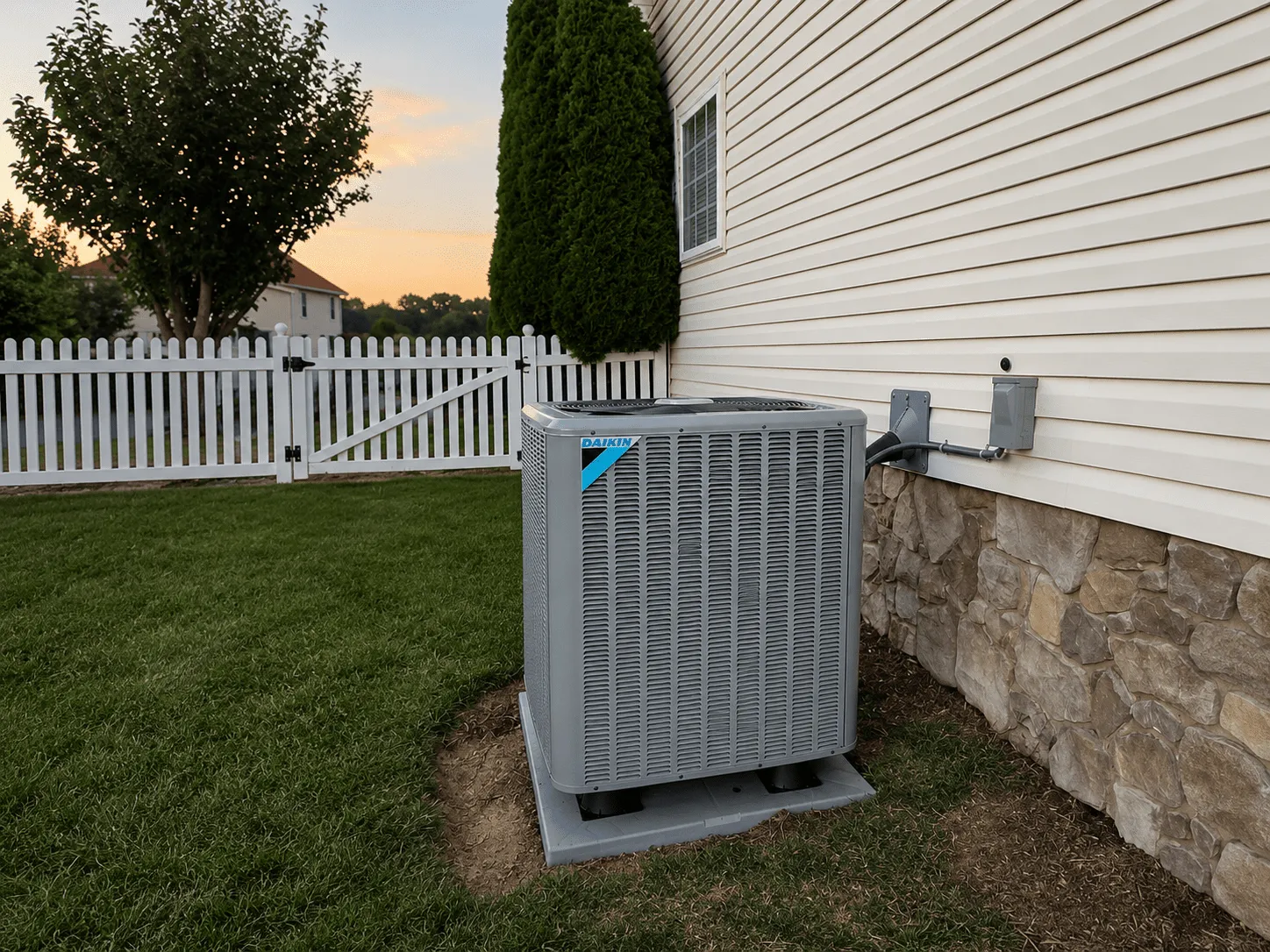
Then, think about noise and comfort delivery at the room level. Validate that outdoor units have adequate clearance and that line sets or duct runs are isolated from vibration points. Refine diffuser selection to prevent drafts in frequently used spaces. These details, while subtle, reduce complaints and make Heating Installation and Repair or Air Conditioning Installation and Repair investments feel worthwhile day to day.
Next, budgeting for both routine care and contingency is essential. Maintain a simple ledger of filter changes, cleanings, and part replacements, and stage funds for larger events like compressor or heat exchanger swaps. This approach helps you document trends and identify when ac repair winchester attention is more cost-effective than continuing with diminished performance through peak seasons.
Similarly, controls strategy can extend equipment life. Inspect sensor placement away from heat sources and sunlight; validate setpoints that reflect occupancy rather than guesswork. When you refine schedules and fan modes, you can buffer wear on components and stabilize temperatures. Smart thermostats help, but the setup must be verified so automation supports, rather than undermines, comfort goals and energy targets.
In practice, choosing between central systems, Heat Pumps Installation, or Ductless Mini Split options comes down to envelope strength, room-by-room loads, and installation access. Sequence decisions so structural and electrical constraints are addressed first. Once those are aligned, you can assess efficiency tiers and accessories logically, rather than retrofitting around obstacles that could have been resolved earlier in the planning process.
Finally, when heating season approaches, review safety and reliability checkpoints. Inspect combustion air paths, test carbon monoxide alarms, and validate ignition components before first cold snaps. If performance dips or unusual noises surface, a timely furnace repair winchester visit can prevent downstream failures. Treat these steps as an owner playbook: simple, repeatable actions that keep systems steady and comfort predictable year-round.